
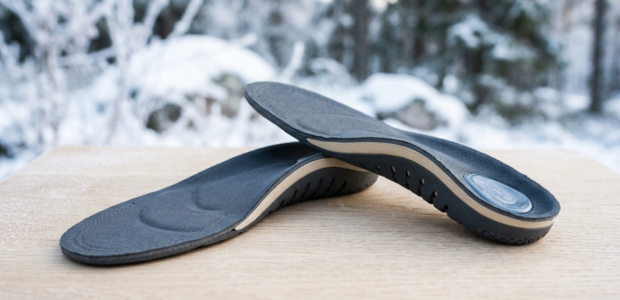
If your job keeps you on your feet for eight, ten, or even twelve hours at a stretch, you already know the feeling by the end of a shift. That dull ache in the heels. The tightness that creeps up through the arches. The general sense that your feet have simply had enough. It’s an extremely common complaint among nurses, retail workers, teachers, hospitality staff, and anyone else whose job doesn’t come with much sitting down.
The right insole can genuinely change how your feet feel at the end of the day, but not every insole is built for standing. A lot of what works well for running or hiking isn’t actually designed for the very different demands of prolonged, mostly stationary standing. Here’s what to actually look for.
Why Standing Is Harder on Your Feet Than People Expect
It seems counterintuitive, standing still sounds easier than running, after all, but prolonged standing puts a very specific kind of strain on the feet. Unlike walking or running, where your foot is constantly moving through a natural stride, standing keeps the same pressure concentrated on the same areas, mostly the heel and the arch, for hours without relief.
Over time, this repetitive pressure can lead to fatigue, general soreness, and in some cases contribute to more specific issues like flat feet or plantar fasciitis, especially if your job doesn’t allow much opportunity to sit or shift your weight. Supportive insoles help by doing two things at once: absorbing shock in high pressure areas like the heel and ball of the foot, and helping keep your foot properly aligned so the muscles and joints aren’t working overtime just to keep you upright.
What Actually Matters in an Insole for Standing
Arch support that matches your foot type. This is probably the single most important factor, and it’s also the one people get wrong most often. A high arch, a low arch, and a flat foot each need a different level and shape of support. Too little support and the insole won’t do much. Too much, or the wrong shape entirely, and it can actually create new pressure points or discomfort. If you’re not sure what type of arch you have, it’s worth checking before buying, since this one detail affects how well everything else on this list actually works for you.
Real cushioning in the heel and forefoot. These are the two areas taking the brunt of the pressure during standing, so look for insoles with dedicated cushioning built into both zones, not just a flat layer of foam throughout. Materials like EVA foam or gel are common choices because they absorb shock effectively without breaking down quickly under sustained weight.
A firm enough base to prevent your foot from collapsing. Cushioning alone isn’t enough. A good standing insole also needs structure underneath that cushioning to keep your arch properly supported rather than letting your foot flatten out over the course of a long shift. This is usually where the difference between a cheap gel insert and a genuine orthotic insole becomes obvious.
A shape built for stability, not just softness. Insoles designed specifically for standing tend to prioritize alignment and even weight distribution over pure plushness. A softer insole can feel great for the first hour and then leave you with more fatigue by hour eight, since it isn’t doing much to correct how weight moves across your foot.
Matching the Insole to Your Job
Not every standing job puts the same kind of stress on your feet, so it’s worth thinking about your specific environment.
- Hard floors (retail, food service, factory work): Look for insoles with strong shock absorption, since concrete and tile offer zero natural give, and every hour adds up.
- Long shifts with minimal movement (security, certain healthcare roles): Prioritize firm arch support and structured heel cushioning, since the lack of movement means pressure stays concentrated in the same spots for extended stretches.
- Standing combined with a lot of walking (nursing, hospitality, warehouse work): A slightly more flexible insole that still offers solid arch support tends to work best, since your feet are moving through more natural motion throughout the day.
Signs Your Current Insoles (or Lack Thereof) Aren’t Cutting It
A few common signals suggest it’s time for a real upgrade:
- Your feet feel noticeably worse by midday, not just at the end of a shift
- You’re experiencing heel pain that feels worse first thing in the morning or right after standing up from a break
- Your arches feel like they’re aching or collapsing by the end of the day
- You’ve started noticing knee, hip, or lower back discomfort that seems tied to long standing shifts, since poor foot alignment can affect the whole chain upward
If any of these sound familiar, it’s a strong sign your current footwear setup isn’t giving your feet the support they actually need for the hours you’re putting in.
A Few Practical Tips Beyond the Insole Itself
- Break in new insoles gradually. Wearing them for a full shift on day one can feel more uncomfortable than helpful. A few shorter days lets your feet adjust.
- Pair insoles with proper footwear. Even the best insole can only do so much inside a shoe with no support of its own. Look for shoes with a stable sole to get the full benefit.
- Replace insoles when they wear down. Most insoles lose a meaningful amount of their supportive structure after roughly six months to a year of daily wear, especially in physically demanding jobs. If yours feel flat or compressed, it’s time for a fresh pair.
- Give your feet a break when you can. Even brief moments to sit, stretch, or shift your weight during a shift can meaningfully reduce end of day fatigue.
Frequently Asked Questions
Do I need different insoles for work than for running or exercise? Often, yes. Standing insoles are generally built to prioritize stability and even pressure distribution over long, mostly stationary periods, while athletic insoles are designed around the repeated impact of running or jumping. A running specific insole may not offer the right kind of support for eight hours of standing.
How do I know what arch type I have? A quick way to check is looking at a wet footprint on a flat surface. A footprint that shows most of your foot means a low or flat arch, while a footprint with a narrow band along the outer edge suggests a high arch. Insole finder quizzes or a podiatrist visit can also help confirm it.
Can insoles actually help with plantar fasciitis from standing all day? Supportive insoles are commonly recommended to help manage plantar fasciitis symptoms, since proper arch support and heel cushioning reduce the repetitive strain that contributes to the condition. That said, for ongoing or severe pain, it’s worth talking to a podiatrist rather than relying on insoles alone.
How long should insoles last with daily standing use? Most insoles hold their supportive structure for around six months to a year with regular daily wear, though this varies by material quality and how physically demanding the job is. If they start to feel flat or your usual foot fatigue returns, it’s time to replace them.